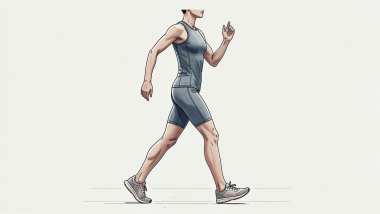
Walking
View walking guidance →
Walking with a little more purpose
Turn everyday strolling into an aerobic base using cadences, upright breathing mechanics, and natural foot rolling.
Outdoor exercise produces lasting benefits when you stop measuring yourself against arbitrary paces and start repeating sessions you can genuinely finish feeling unhurried.
Choose a starting pointMost outdoor workout attempts stall out within three weeks because initial enthusiasm demands an effort that leaves joints tender and energy drained. When the next scheduled morning arrives, the prospect of heavy lungs and sore shins encourages postponement.
A measured approach turns that logic on its head. Your primary goal during the initial six weeks is not to elevate your maximum cardiovascular limit; it is simply to leave the door, finish twenty to thirty continuous minutes, and step back across your threshold with enough reserve energy that you could have done another ten minutes without strain.
Every recommendation in these notes is calibrated around that standard. When movement feels manageable, consistency requires far less willpower.
Read the run-walk progression →
Pavement, crushed gravel, grass shoulders, and slight micro-inclines create very different loads on your calves, Achilles tendons, and hip flexors. Preparing for an outing involves observing what lies beneath your shoes just as much as planning how far you intend to travel.
In public green spaces such as London’s Regent’s Park or New York’s Central Park Reservoir track, firm gravel reduces impact shocks compared to fresh tarmac while maintaining predictable footing. Conversely, soft grass hides divots and uneven root knots that can strain unaccustomed ankles.
Taking thirty seconds before setting out to check local wind direction, path conditions, and surface changes turns an uncertain slog into an unhurried, controlled excursion.
Explore terrain selection guidelines →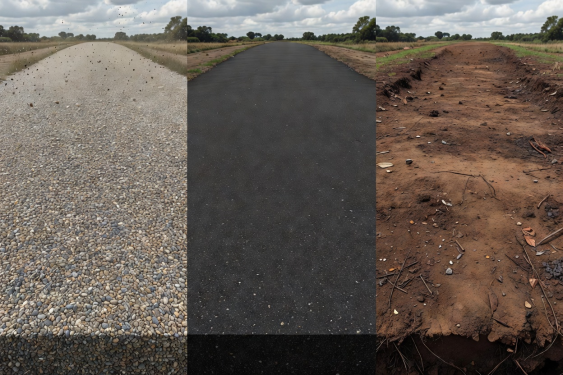
These four topics provide structured, sensible practices for developing an outdoor movement habit without performance anxiety or confusing jargon.
Turn everyday strolling into an aerobic base using cadences, upright breathing mechanics, and natural foot rolling.
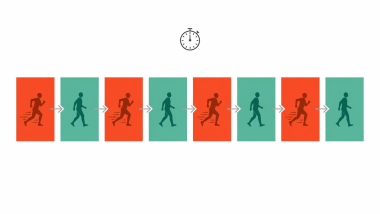
Adopt Jeff Galloway’s structured run-walk ratio to protect joints, regulate heart rate, and build endurance without gasping.
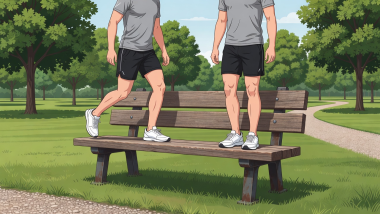
Protect knees and stabilize lower backs using bodyweight movements performed on benches, curbs, and path borders.
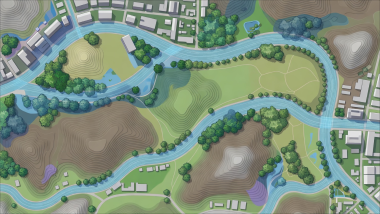
Evaluate trail surfaces, manage seasonal weather changes, and map loops that never leave you stranded too far from home.
The cultural myth of fitness suggests that unless an outing consumes an hour and leaves you drenched in perspiration, it produces no tangible adaptation. Exercise physiology from established organizations like the NHS and the American College of Sports Medicine confirms the exact opposite: three 20-minute sessions spread across seven days produce greater vascular, bone density, and metabolic improvement than a single 60-minute weekend sprint that sidelines you for four days of stiffness.
When schedules turn frantic or weather turns cold, reducing your session to fifteen gentle minutes retains the neural habit of lacing your shoes. The routine survives uninterrupted, which is what matters across months and years.
| Session Format | Total Duration | Primary Adaptation | Recovery Demand |
|---|---|---|---|
| Micro-Brisk Walk | 15–20 minutes | Joint lubrication & mental reset | Negligible (ready same day) |
| Aerobic Base Walk | 30–45 minutes | Capillary density & fat oxidation | Minimal (ready within 24h) |
| Intro Run-Walk (1:2) | 25–30 minutes | Tendon adaptation & stride coordination | Moderate (take 1 rest day) |
Common questions frequently voiced by walkers and runners venturing out during their initial month.
Apply the "talk test." At an effective brisk pace, you should easily be able to speak complete sentences without gasping, but you should feel slightly too breathy to carry out a steady singing tune.
Yes. The anterior tibialis muscle along your shin flexes your ankle upward with every stride. When unaccustomed, it tires quickly. Shortening your stride and keeping feet closer to the ground eliminates excess lever stress.
You do not need elite, high-cushion models immediately. Any supportive sneaker with adequate toe room, secure heel lock, and decent tread will suffice for initial 20-minute brisk walking and short interval blocks.
bouncybunchshowtick.hair was built to provide an unpretentious, quiet counterweight to modern fitness trackers, intense leaderboards, and high-pressure transformation programmes. We believe outdoor air, simple footpaths, and modest movement habits should be accessible to anyone regardless of athletic history.
Our notes synthesize established biomechanical principles and peer-reviewed conditioning methodologies into clear, calm reading material.
Have an observation regarding surface conditions, or want to compile your questions into a clean checklist before speaking with a local run club or coach?
Use our client-side query drafting tool to prepare clear notes directly on your own device.
Draft an outdoor fitness queryYour privacy choices Some cookies are needed for the site to work. Others help us understand how it is used. You can change your choice later. Read more